Beginner’s Guide to Backyard Beekeeping

The Art of Harvesting Raw Honey From Hives
Honey has been treasured by civilisations throughout history for its delightful taste, versatility, and numerous health benefits. Harvesting raw honey from hives is a labour of love that provides us with a natural sweetener and a deeper connection to the intricate world of honeybees.
Understanding Honey Bees and their Hives.
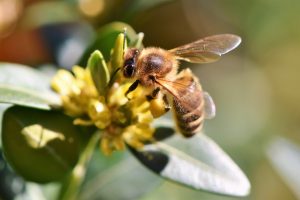
Before diving into the harvesting process, it is important to understand the incredible ecosystem of honeybees and their hives. A honeybee colony consists of three primary castes: the queen, worker bees, and drones. Each caste plays a unique role in the hive’s functioning, with the worker bees being responsible for collecting nectar, pollen, and propolis.
Selecting the Right Time to Harvest.
Timing is crucial when it comes to harvesting honey. Beekeepers must consider several factors, including the strength of the hive, availability of nectar sources, and local weather conditions. It is essential to ensure the hive has enough surplus honey for the bees to sustain themselves throughout the winter months.
Tip 1: Choose a warm, calm day.
Tip 2: Harvest when the majority of the comb is filled with ripe, capped honey, typically in late summer to early autumn.
Tip 3: Be patient and allow the bees to produce and ripen the raw honey before harvesting, as premature harvesting can result in lower quality honey and could harm the bees.
Preparing for Harvest.
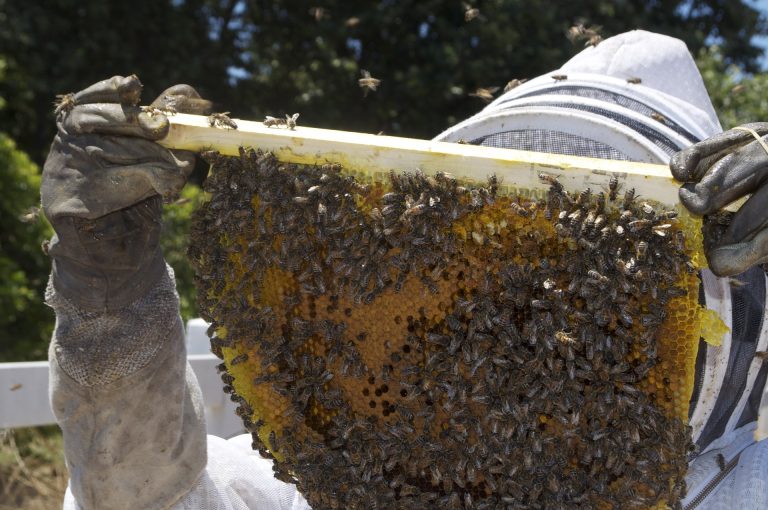
To harvest honey, beekeepers need to be equipped with the necessary tools and protective gear. This typically includes a beekeeping suit, gloves, smoker, hive tool, bee brush, and honey extraction equipment such as frames, supers, and a honey extractor.
Extracting Honey.
The process of extracting honey involves several steps, starting with the removal of honey supers from the hive. Honey supers are additional boxes placed above the brood chamber where bees store surplus honey. Beekeepers must carefully inspect the supers, ensuring the frames are capped with beeswax, indicating that the honey is ready for extraction.
Uncapping and Extraction.
To access the honey, beekeepers need to uncap the frames. This can be done using a hot knife or an uncapping fork. Once the frames are uncapped, they are placed in a honey extractor. This device uses centrifugal force to extract the honey from the frames, which then collects at the bottom of the extractor.
Tip: Try to minimise disruption to the hive. Remove only the frames with honey, and return them as quickly as possible to minimise the disturbance to the bees.
Filtering and Botteling.
The extracted honey should be filtered to remove any impurities such as beeswax or debris. Filtering can be done using cheesecloth or a fine mesh strainer. Once filtered, the honey is ready for bottling. Use food-grade containers to store the honey, and if the bottled honey is to be sold, ensure proper labelling to meet local regulations.
Caring for the Bees.
While harvesting honey is undoubtedly exciting, it is essential to prioritise the well-being of the honeybees. Beekeepers should ensure that the bees have ample food reserves and maintain a healthy hive environment. Regular hive inspections, disease prevention, and providing suitable forage are critical aspects of responsible beekeeping.
Tip: Consider re-queening the hive after the honey harvest to keep the colony strong and productive.

Difference between Raw Honey and Pure Honey
Raw honey
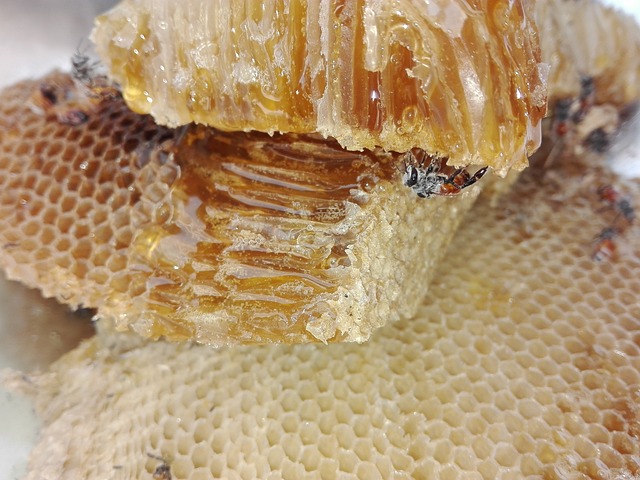
Raw honey is obtained straight from the beehive and undergoes minimal processing. It is not heated, pasteurised, or filtered, preserving its natural composition and nutritional value.
Contributing to its nutritional value, raw honey contains enzymes, vitamins, minerals, antioxidants, and traces of pollen. The pollen content can vary depending on the specific nectar sources and the beekeeping practices used. It may also contain beeswax and propolis.
Raw honey has a tendency to crystallise over time. This natural process occurs when glucose in the honey forms crystals, resulting in a thicker consistency. Crystallisation does not affect the quality or taste of the honey and can be reversed by gently warming the honey.
It’s important to note that while raw honey is highly valued for its natural qualities, certain individuals, such as infants under one year old or people with compromised immune systems, should exercise caution when consuming raw honey due to the potential presence of bacteria or spores that could cause botulism.
Raw honey tastes better compared to processed honey.
Pure honey
Pure honey refers to honey that has not been mixed with other substances. It is made up of a single ingredient, which is nectar collected by bees from flowers. Pure honey is filtered to remove impurities, such wax and debris, and does not contain any additives, preservatives, or additional sweeteners.
Pure honey has a naturally sweet taste that can vary in intensity and flavour profile depending on the nectar source. It may have floral, fruity, or herbal notes, reflecting the specific plants from which the bees collected the nectar.
The colour of pure honey can range from pale yellow to dark amber, depending on the floral source. Different types of honey, such as clover honey or wildflower honey, exhibit distinct shades of colour.
Pure honey has a thick and viscous texture. It flows slowly, indicating its high viscosity.
Pure honey contains vitamins, minerals, antioxidants, and trace elements that can vary depending on the floral source and the bees’ foraging habits. These natural compounds contribute to the potential health benefits associated with consuming pure honey.
It’s worth noting that determining the purity of honey solely by its physical characteristics can be challenging. Testing methods, such as laboratory analysis, can provide more accurate assessments of honey purity.
Benefits of Raw Honey for Health
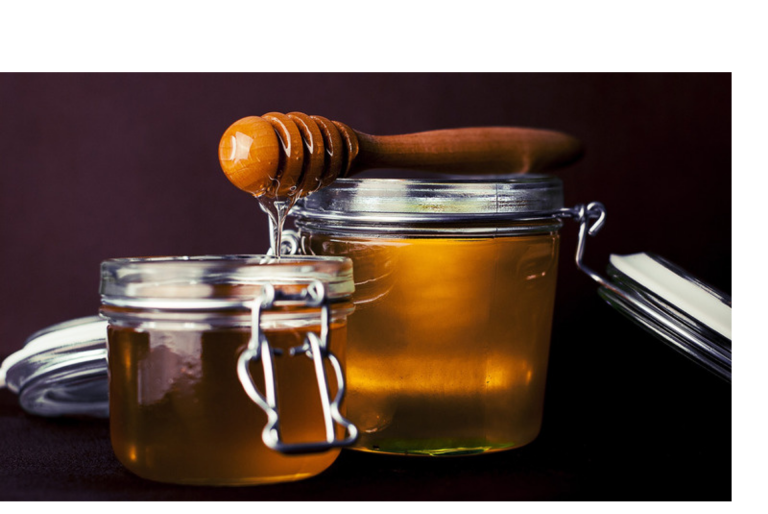
Raw honey has a wide range of health and medicinal benefits that make raw honey a must-have in your pantry.
1.Wound healing: Raw honey has antibacterial properties and can help to promote wound healing by keeping the area moist and protected.
2. Soothing sore throat: Raw honey can be effective for soothing a sore throat when mixed with lemon juice and hot water.
3. Relieving digestive issues: Raw honey contains prebiotics that supports the growth of beneficial gut bacteria and can help relieve symptoms of digestive problems such as acid reflux and bloating.
4. Boosting immunity: Raw honey contains vitamins, minerals, and enzymes that can help boost the immune system and protect against illness.
Explore the surprising health benefits of raw honey and how it can benefit your overall health and wellness.